
Choosing the right tile for your bathroom isn’t just another design decision. It’s something you’ll live with every single day. Bathrooms are high-moisture spaces. They deal with steam, splashes, temperature swings, and constant use. They’re also one of the most common places for slips and falls inside the home. That means your tile choice affects more than appearance. It impacts safety, maintenance, and long-term durability.
And let’s be honest: the many options can feel overwhelming. Shapes, sizes, finishes, materials, patterns... it’s a lot. The wrong choice can throw off your entire design plan and become something you wish you could change every time you walk into the room.
So how do you decide? Should you use ceramic or porcelain? Large tiles or small in the shower? Is it okay to use the same tile on the walls and floor? And what about staying within budget?
Let’s walk through it together.
Start with Function and Purpose
When you’re staring at hundreds of tile samples, the hardest part is simply knowing where to begin. A helpful first step is thinking about function before style.
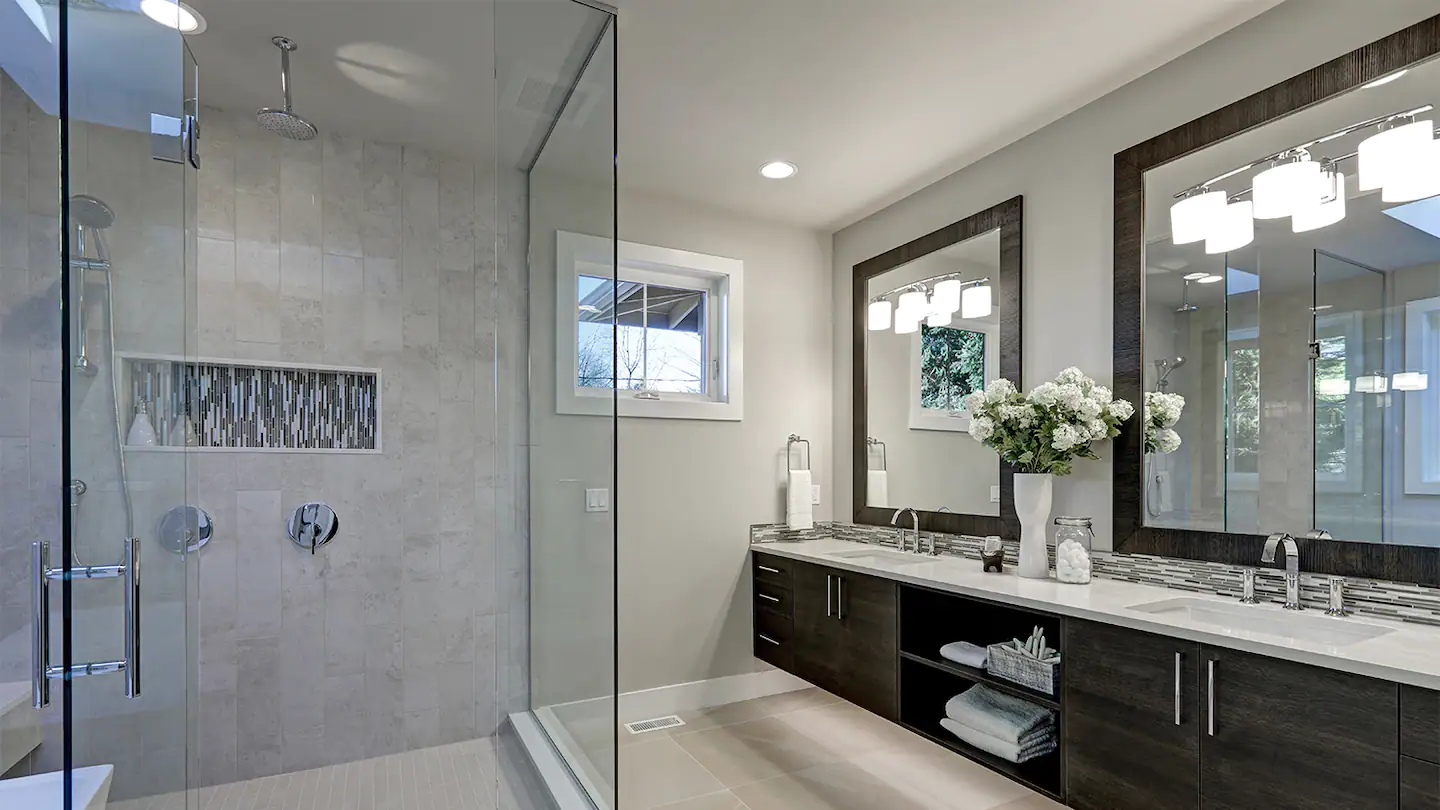
Bathrooms are among the most remodeled rooms in a home, and its for a good reason. They endure constant moisture, and showers in particular take the brunt of that exposure. Water resistance isn’t optional here; it’s essential. Slip resistance matters. Ease of cleaning matters. Longevity matters.
If your bathroom is used daily by a busy family, durability and low maintenance may be your top priorities. If it’s a guest bathroom, aesthetics might carry more weight. Defining the room’s primary purpose will narrow your choices dramatically and prevent regret later.
Durability and Material: What Holds Up Best?
Bathroom tile typically falls into four main categories: porcelain, ceramic, marble, and natural stone.
Porcelain and ceramic are often grouped together because both are made from clay and kiln-fired. However, porcelain is denser and less porous, which makes it more water-resistant and generally stronger. For high-moisture environments like showers, porcelain is often the safer long-term choice.
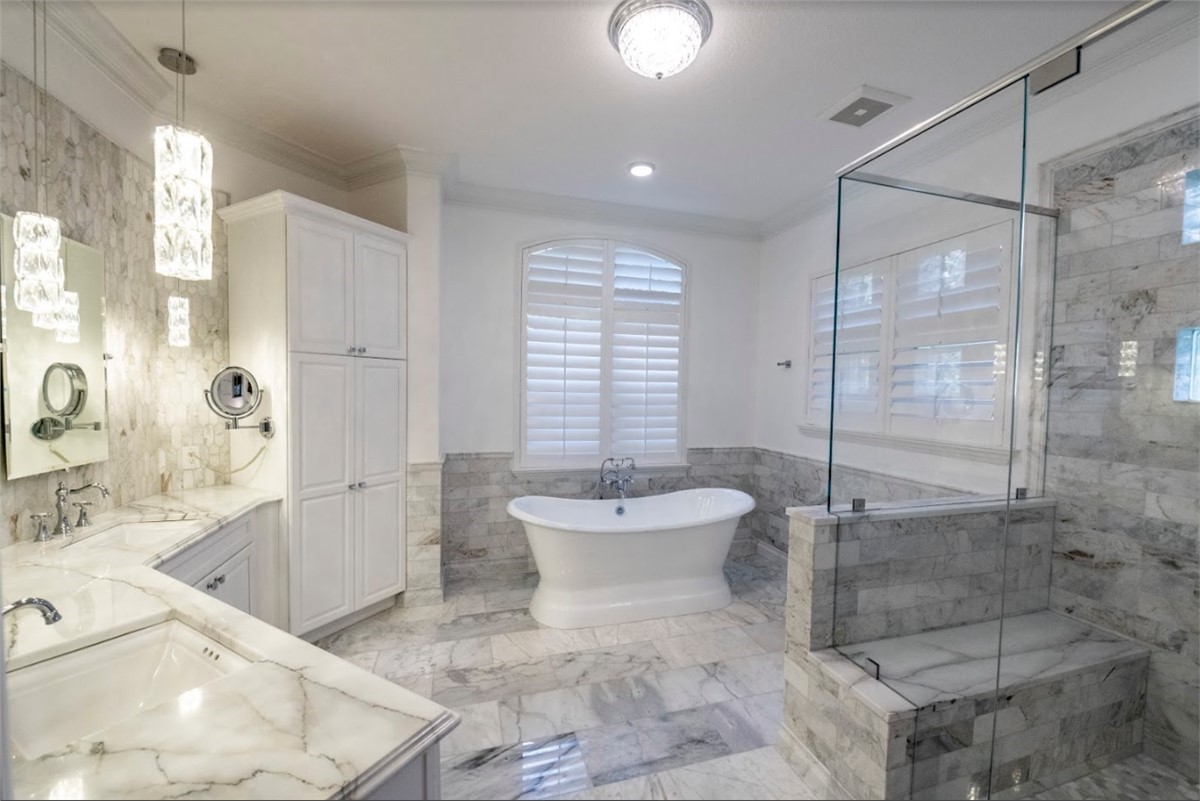
Marble offers a timeless, high-end appearance that’s hard to match. It adds luxury and natural character to a space. However, because it’s a natural stone, it can stain or etch over time and typically requires regular sealing to maintain its finish.
Natural stone options such as travertine or slate are durable and beautiful, but they also require ongoing maintenance. While they can make a stunning statement, they aren’t always the most practical solution for every household.
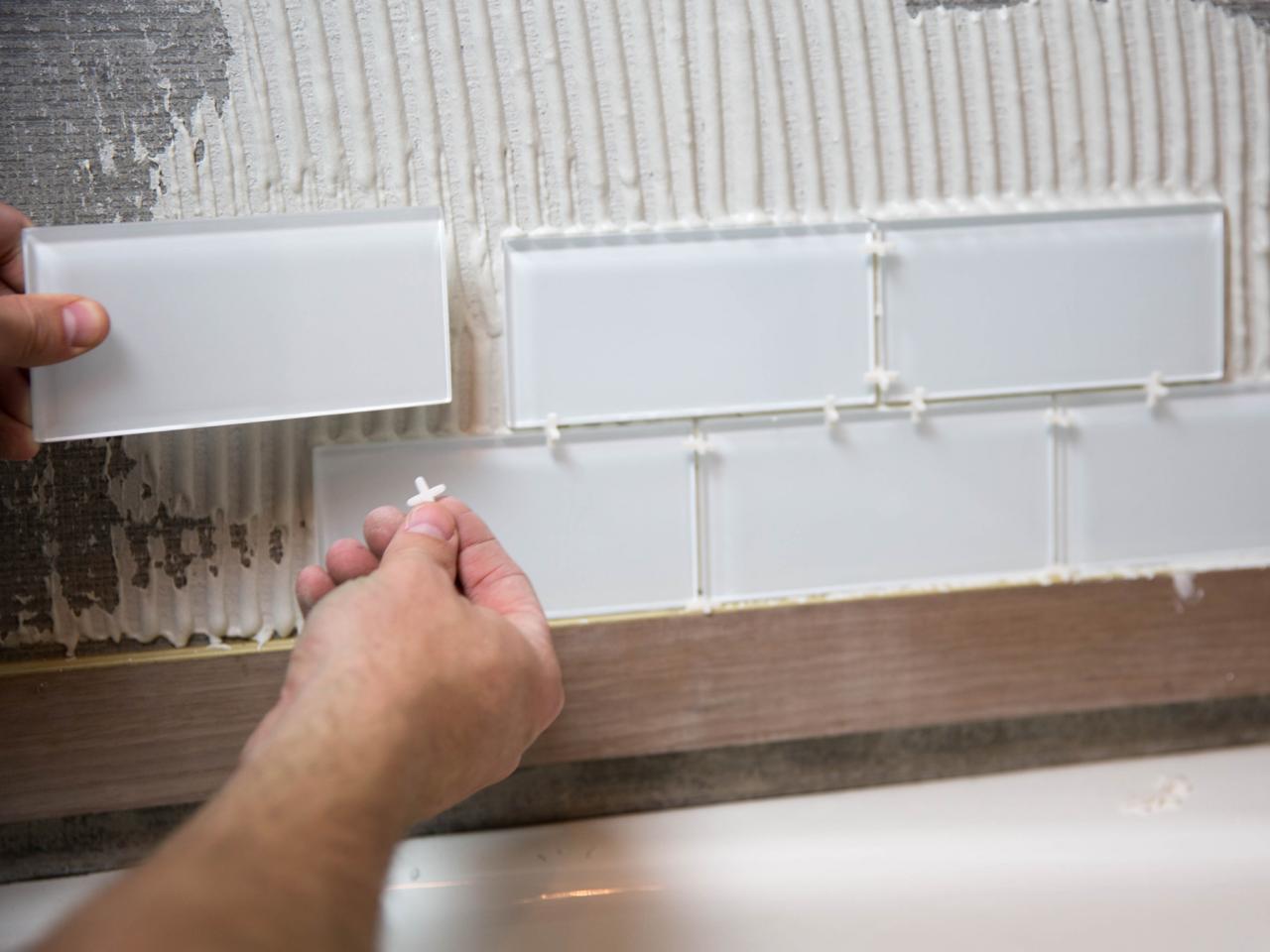
You might also consider glass tiles or metal accents. Glass reflects light beautifully and can brighten smaller bathrooms. However, it may show water spots more easily and requires regular cleaning. Metal tiles can add a bold, modern detail but may corrode depending on water quality and humidity levels.
Each material has strengths and trade-offs. The key is matching the material to your lifestyle and tolerance for maintenance.
Size and Pattern: Bigger Isn’t Always Better
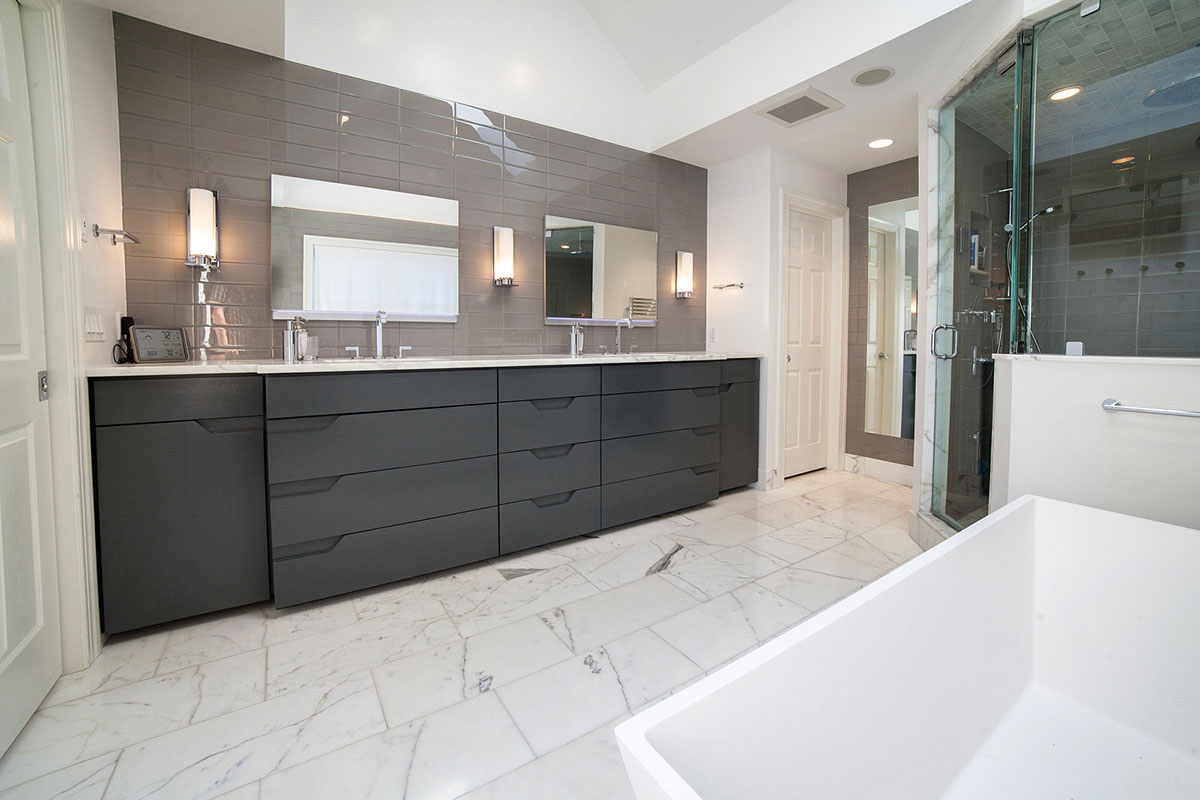
Large tiles have grown in popularity over the recent years. They create a cleaner, more seamless look with fewer grout lines, which means less grout to maintain. They can also make a small bathroom feel more open.
However, tile size should be carefully considered for shower floors. Smaller tiles, especially mosaics, provide more grout lines, which actually increases traction and improves slip resistance. While they may require slightly more cleaning, they often provide better safety in wet areas.
Patterns also influence how a bathroom feels. Smaller patterns can make a shower appear busier or more compact. Oversized patterns may overwhelm a smaller room. Trendy or highly intricate layouts can be visually striking, but they may be more challenging to repair or match later.
A balanced, timeless pattern often delivers the best long-term satisfaction, especially if resale value is a consideration.
Color and Style: Finding the Right Balance
Color has the power to completely transform a bathroom. Light shades can make the room feel brighter and more spacious. Darker tones create depth and contrast. Neutral palettes tend to age well and appeal to a broader audience.
Before committing to a bold color, consider these:
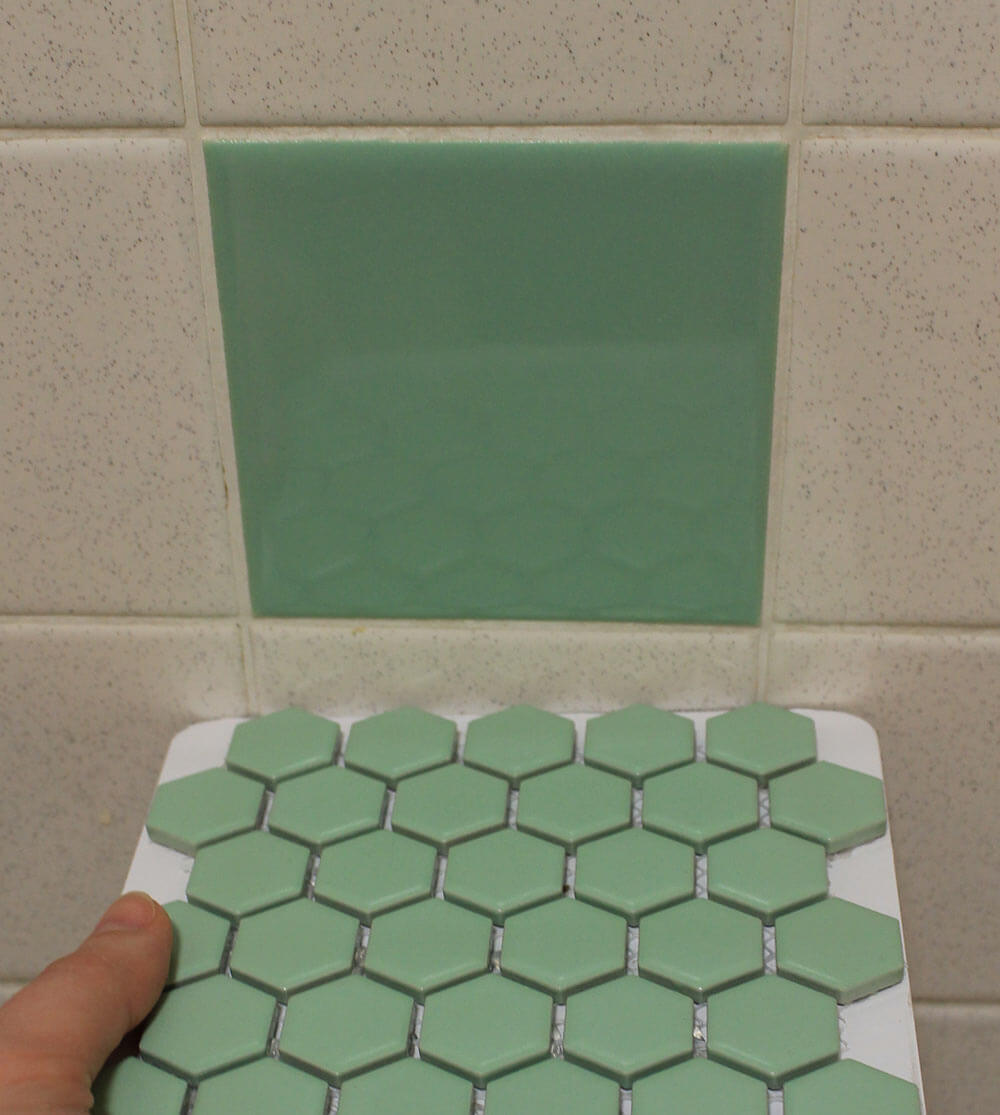
Will it overpower the space?
Does it coordinate with cabinets, countertops, and fixtures?
Will you still love it five years from now?
There’s nothing wrong with personality in a bathroom, but thoughtful restraint often creates a more elegant and timeless result. Instead of overwhelming the room with statement tile everywhere, try adding interest through accents, trim, or a feature wall.
A bathroom doesn’t need to shout to make an impression.
Budget: Planning Realistically
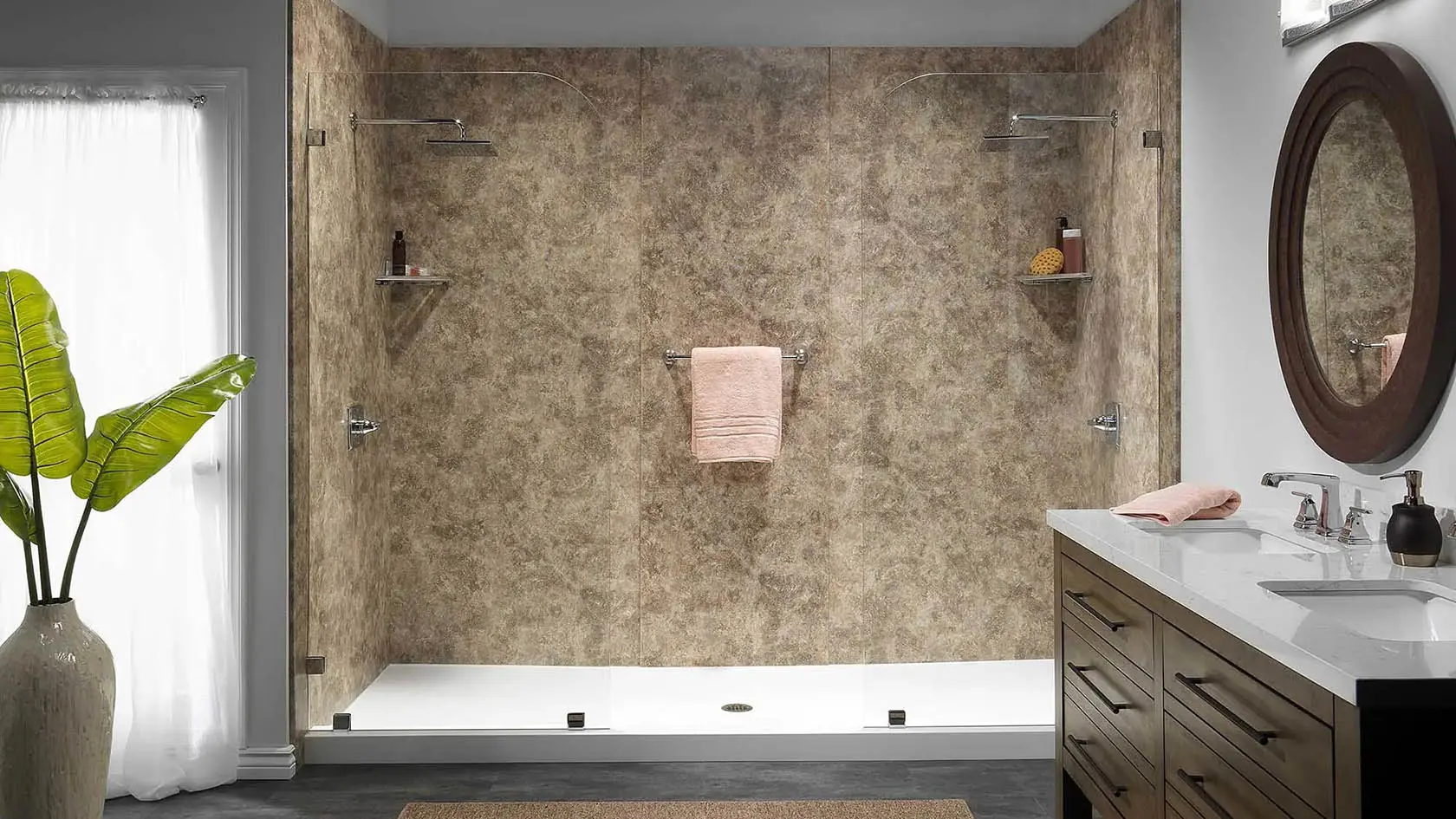
Tile costs vary widely. Pricing is typically calculated per square foot and does not always include installation, underlayment, waterproofing, or taxes.
On average:
Ceramic and porcelain tiles often range between moderate and premium price points depending on style and quality.
Marble and other natural stones generally sit at the higher end of the spectrum.
Installation costs depend on layout complexity, room size, surface preparation, and material type.
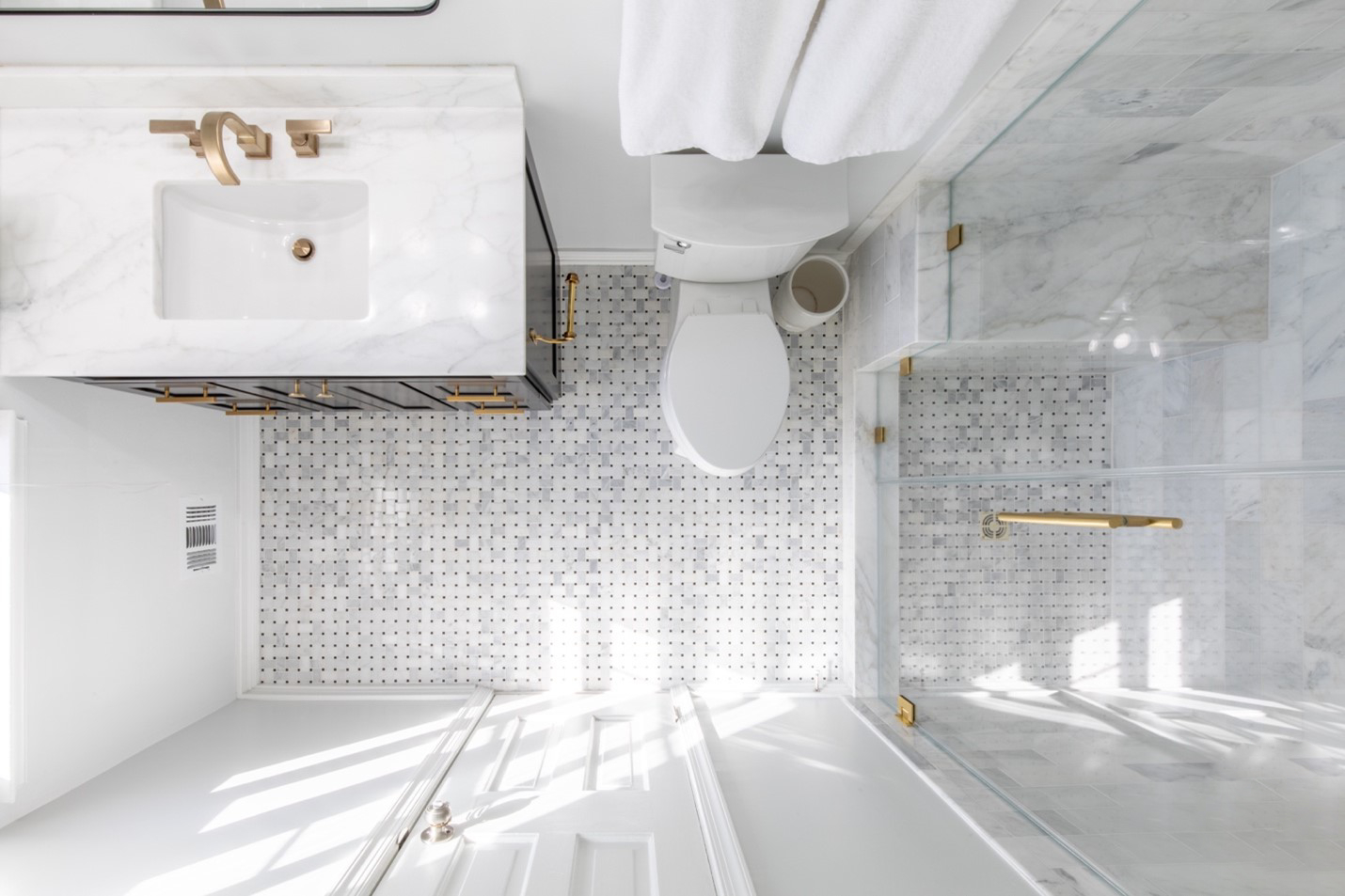
While it’s tempting to focus solely on upfront cost, it’s wise to consider long-term value. A slightly higher investment in durable materials can reduce maintenance and replacement expenses down the road.
Bringing It All Together
With so many options available, choosing the right bathroom tile can feel intimidating. But when you break it down into function, durability, size, color, and budget, the decision becomes much clearer.
The best bathrooms are the ones that strike a balance between practical yet beautiful and stylish yet timeless. A thoughtful tile choice can elevate your entire home and provide years of comfort and confidence.
If you’re feeling unsure or want professional guidance, DD’s Restoration and Remodeling brings decades of experience in bathroom restoration and remodeling. From material selection to expert installation, having the right team behind you makes all the difference.
When you’re ready to take the next step, reach out and let’s create a bathroom you’ll love stepping into every day.
See finished project photos on our Our Work gallery, or request a free estimate when you are ready to remodel.